

December 22, 2025
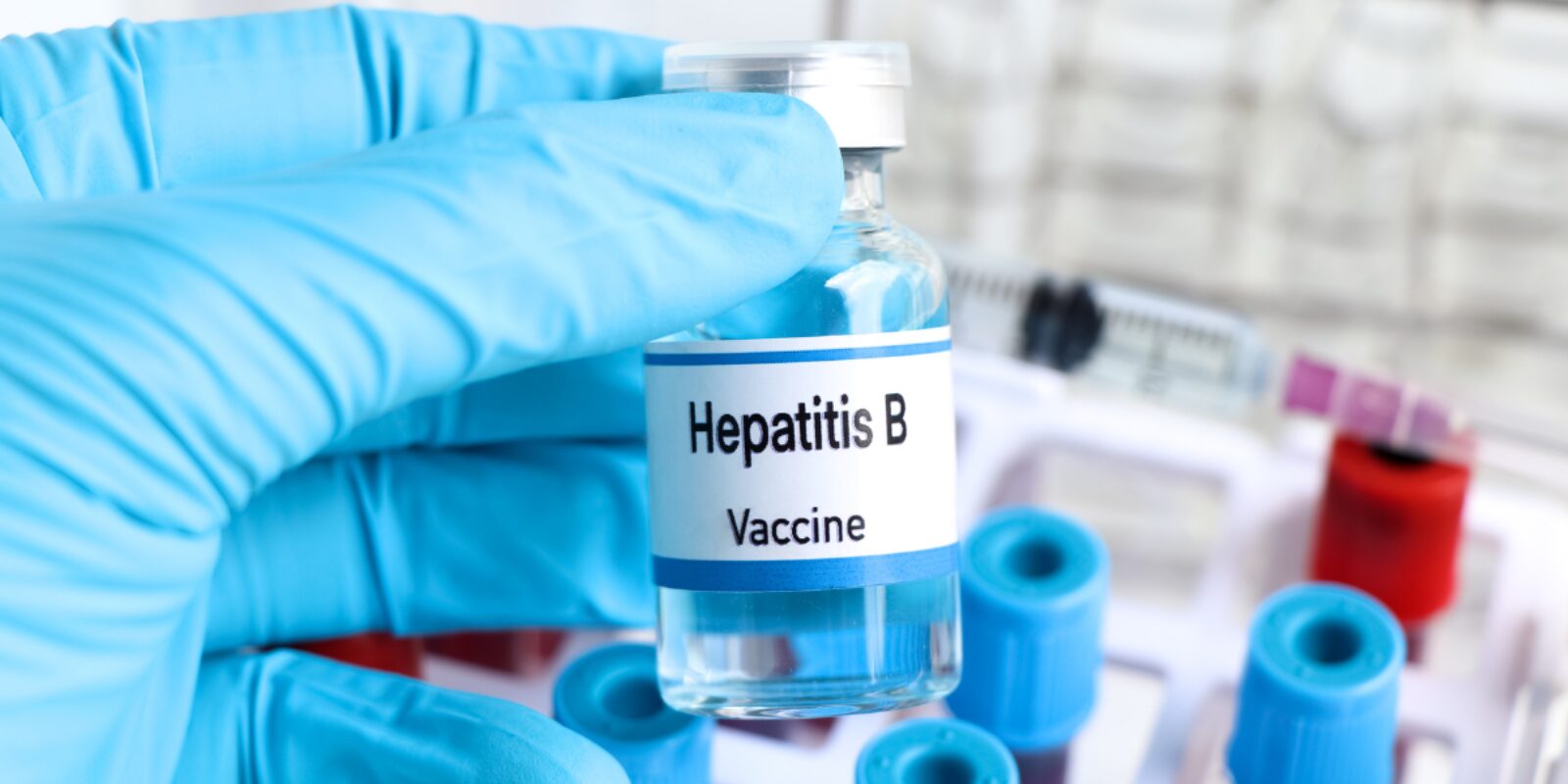
The Advisory Committee on Immunization Practices (ACIP) at the U.S. Centers for Disease Control and Prevention (CDC) met again earlier this month to discuss routine childhood vaccinations and the Hepatitis B (HepB) infant dose in particular. Since the early 1990s, ACIP and the World Health Organization have recommended that all babies receive a dose of the HepB vaccine within 24 hours of birth. Infants are particularly vulnerable to developing chronic HepB infections, which can result in liver cancer and related diseases later in life. The vaccine, part of a three-dose series, is well researched and known to be safe. The universal vaccine recommendation existed to limit incidence of preventable disease from a highly contagious virus, reducing both human suffering as well as systemic strains on the medical system.
In December ACIP voted to remove the universal HepB vaccination recommendation for newborns and move to a targeted or risk-based approach. The change is viewed by some as a way to shift the power decision-making to parents and clinicians, but critics point out that parents have always had the power to choose not to follow the recommendation. Critics also highlight that the decision is not based in evidence, and that the power of screening or other risk-based interventions are undermined by the fractured health system in the United States.
Importantly for Massachusetts residents, state authorities continue to support vaccination protocols known to be safe and effective. Governor Maura Healey and Massachusetts Department of Public Health (DPH) Commissioner Dr. Robbie Goldstein continue to recommend the infant dose, as does the American Academy of Pediatrics. This is the latest example of this federal administration creating a false dichotomy between personal autonomy and public health practice.